Cypress Tree Removal in Allentown, PA
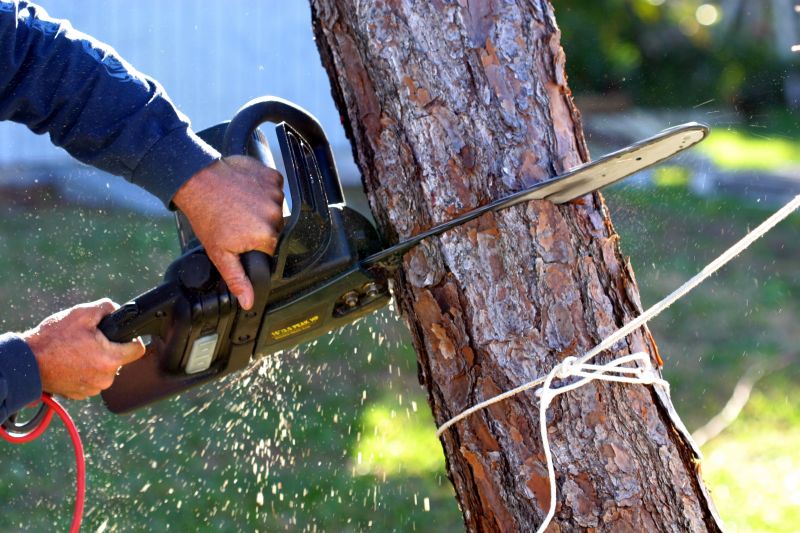
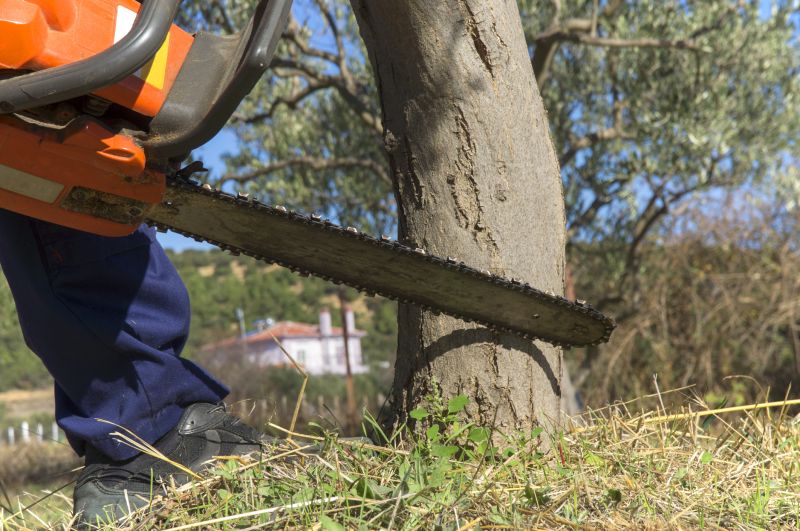
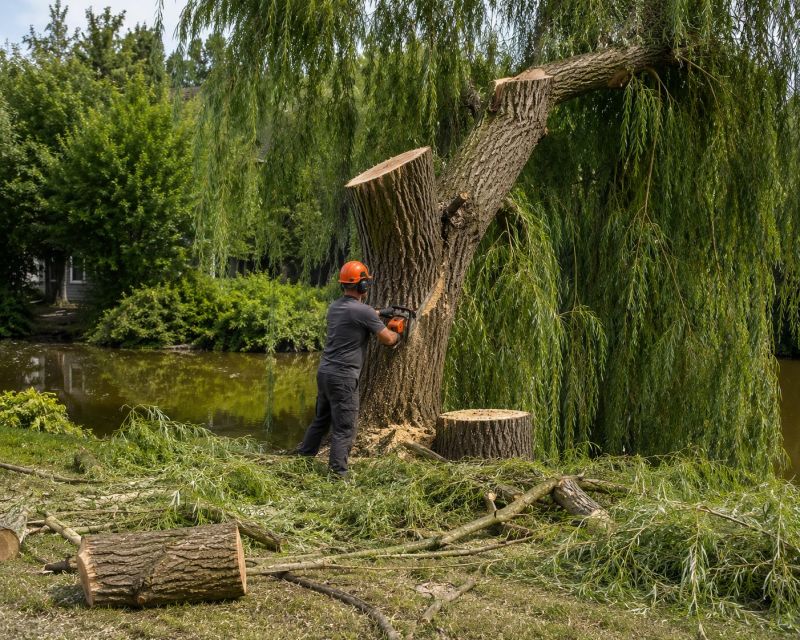
Cypress tree removal services involve the careful and efficient removal of cypress trees that may pose safety concerns, obstruct views, or interfere with property development. These projects typically include cutting down mature cypress trees, safely removing the debris, and ensuring the surrounding landscape remains undamaged. Homeowners often request this service when a tree has become diseased, damaged in a storm, or is growing too close to structures, utilities, or other trees, making removal necessary for safety or aesthetic reasons.
Before requesting cypress tree removal, property owners should consider factors such as the size and location of the tree, potential impacts on the landscape, and any local regulations or permits required for removal. Understanding these details helps ensure the process is handled efficiently and in compliance with local codes. It’s also helpful to identify whether the removal involves stump grinding or disposal of large debris, as these can influence planning and costs.
Many property owners in Allentown, PA look into Cypress Tree Removal for repairs, replacements, upgrades, and appearance-related improvements.
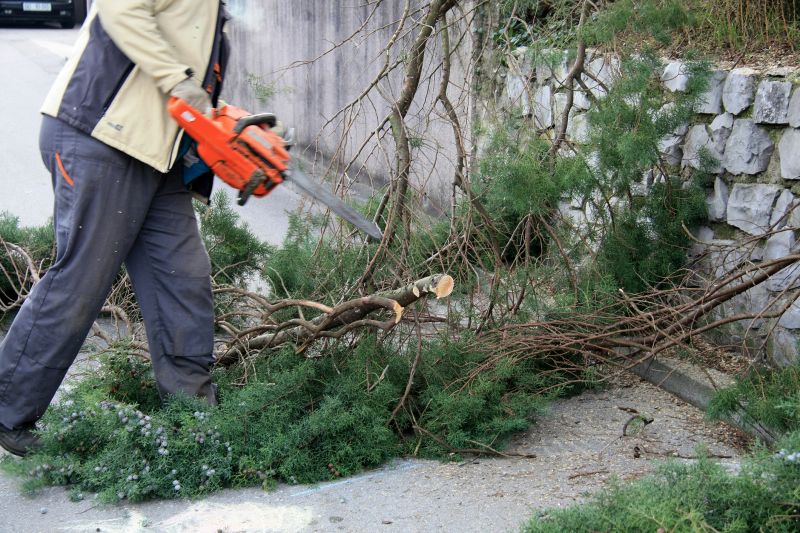
Reasons For Tree Removal
Removing damaged or overgrown cypress trees can improve safety and property appearance.
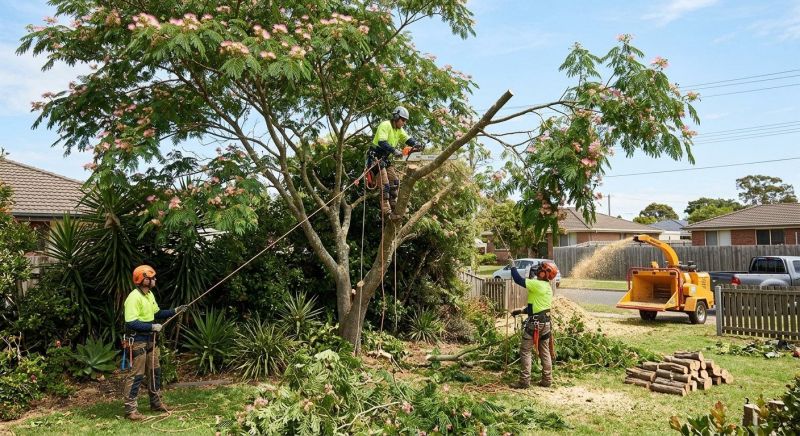
Tree Removal Process
Proper techniques ensure safe and efficient removal of cypress trees while minimizing impact on the landscape.
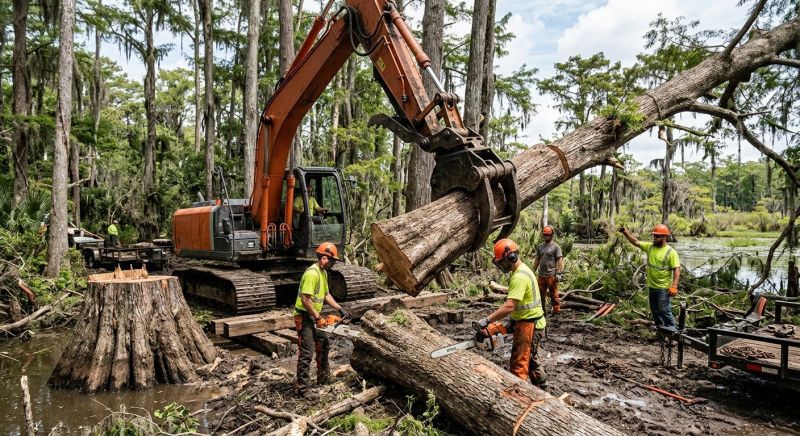
Post-Removal Cleanup
Clearing debris and restoring the area helps maintain a healthy and attractive yard in allentown, pa.
Cypress Tree Removal in Allentown, PA
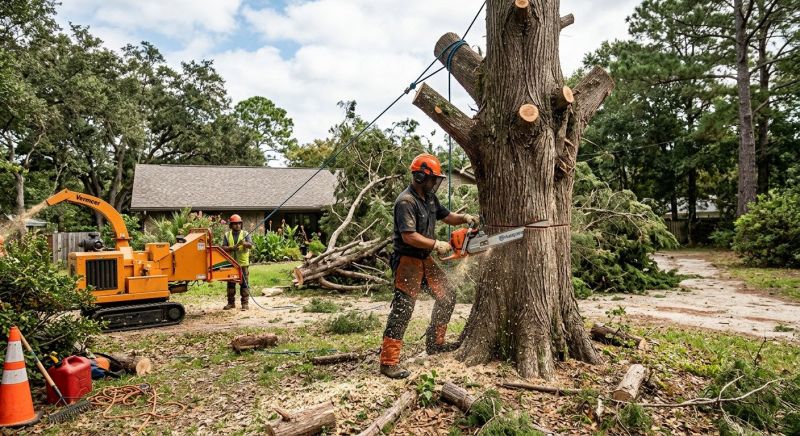
Cypress tree removal services involve the careful and efficient removal of cypress trees that may pose safety concerns, obstruct views, or interfere with property development. These projects typically include cutting down mature cypress trees, safely removing the debris, and ensuring the surrounding landscape remains undamaged. Homeowners often request this service when a tree has become diseased, damaged in a storm, or is growing too close to structures, utilities, or other trees, making removal necessary for safety or aesthetic reasons.
Before requesting cypress tree removal, property owners should consider factors such as the size and location of the tree, potential impacts on the landscape, and any local regulations or permits required for removal. Understanding these details helps ensure the process is handled efficiently and in compliance with local codes. It’s also helpful to identify whether the removal involves stump grinding or disposal of large debris, as these can influence planning and costs.
Many property owners in Allentown, PA look into Cypress Tree Removal for repairs, replacements, upgrades, and appearance-related improvements.
Common Cypress Tree Removal Jobs
Cypress Tree Removal - safely removes mature cypress trees to prevent property damage.
Storm Damage Cleanup - clears fallen or broken cypress trees after storms.
Hazard Tree Removal - eliminates unstable or diseased cypress trees threatening safety.
Selective Tree Removal - removes specific cypress trees to improve landscape health and view.
Root Removal - extracts invasive cypress roots that may damage foundations or pipes.
Stump Grinding - grinds down remaining stumps for a smooth, safe yard surface.
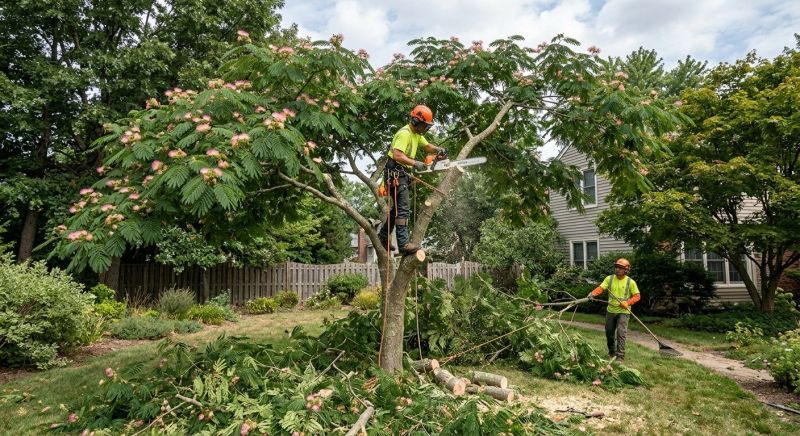
Cypress Tree Removal Questions
Why remove a cypress tree? Removal may be necessary if the tree is diseased, damaged, or poses safety concerns on the property.
Is cypress tree removal disruptive? Proper planning minimizes disruption, and the work typically involves careful cutting and cleanup.
What should property owners consider before removal? Consider the tree's size, location, and potential impact on surrounding structures or landscaping.
Can cypress trees be pruned instead of removed? Yes, pruning can sometimes manage health or shape, but removal is recommended for severely damaged or hazardous trees.
Request Cypress Tree Removal in Allentown, PA
Use the quote form on this page to share the basics of your project and request more information for the type of work you need.